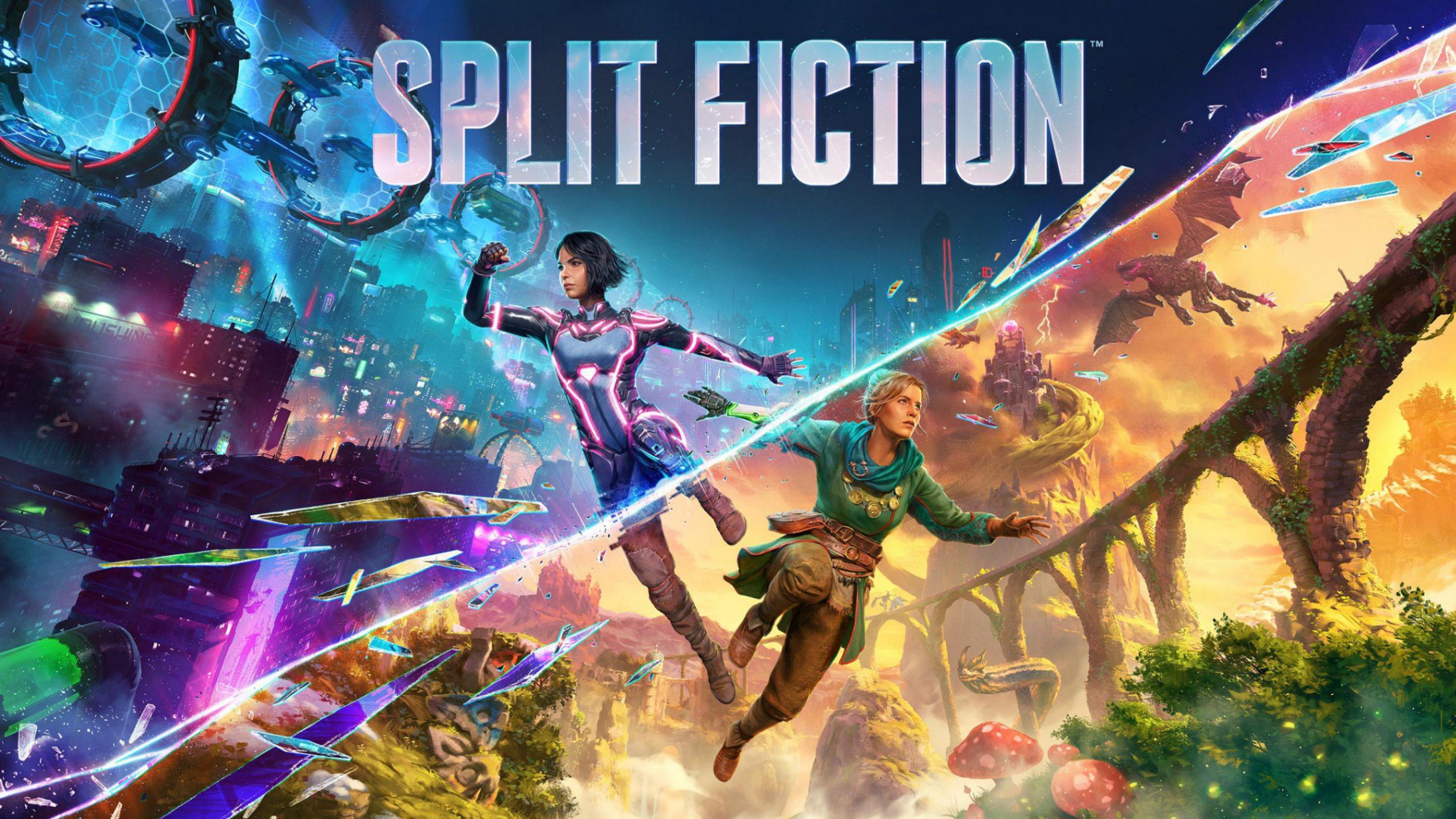
Key Highlights
- A New Benchmark for Co-op: From Hazelight Studios, the Game of the Year winner behind It Takes Two, this title sets a new standard for multiplayer experiences.
- Innovative Gameplay: The game constantly introduces creative ideas and new mechanics, from battling as cyber ninjas to performing cool hoverboard tricks.
- Two Worlds Collide: You’ll explore a blend of sci-fi and fantasy worlds, born from the minds of the two protagonists, creating a truly unique adventure.
- Play with a Friend: The game requires co-op, but the Friend’s Pass allows you to invite someone to play the full game online for free.
- A Heartfelt Story: This is more than just a video game; it’s an unexpected tale of friendship that explores deep themes about creativity and connection as you create your own stories.
- A Polished Experience: Available on PC, PlayStation, Xbox Series X, and Nintendo Switch, the game is a technical masterpiece with stunning visuals and smooth performance.
Introduction
Get ready for an adventure that redefines cooperative play. From the masterminds at Hazelight Studios comes Split Fiction, a game that is so much more than its platforming challenges and dazzling visuals. It’s an unexpected tale of friendship that pulls you into a universe crafted from the own wild imaginations of its two heroines. This game is a spectacular love letter to creativity, companionship, and the very act of storytelling itself. Are you prepared for a journey that will make you laugh, cry, and want to tell all your friends about it?
Exploring the Narrative Depth of Split Fiction
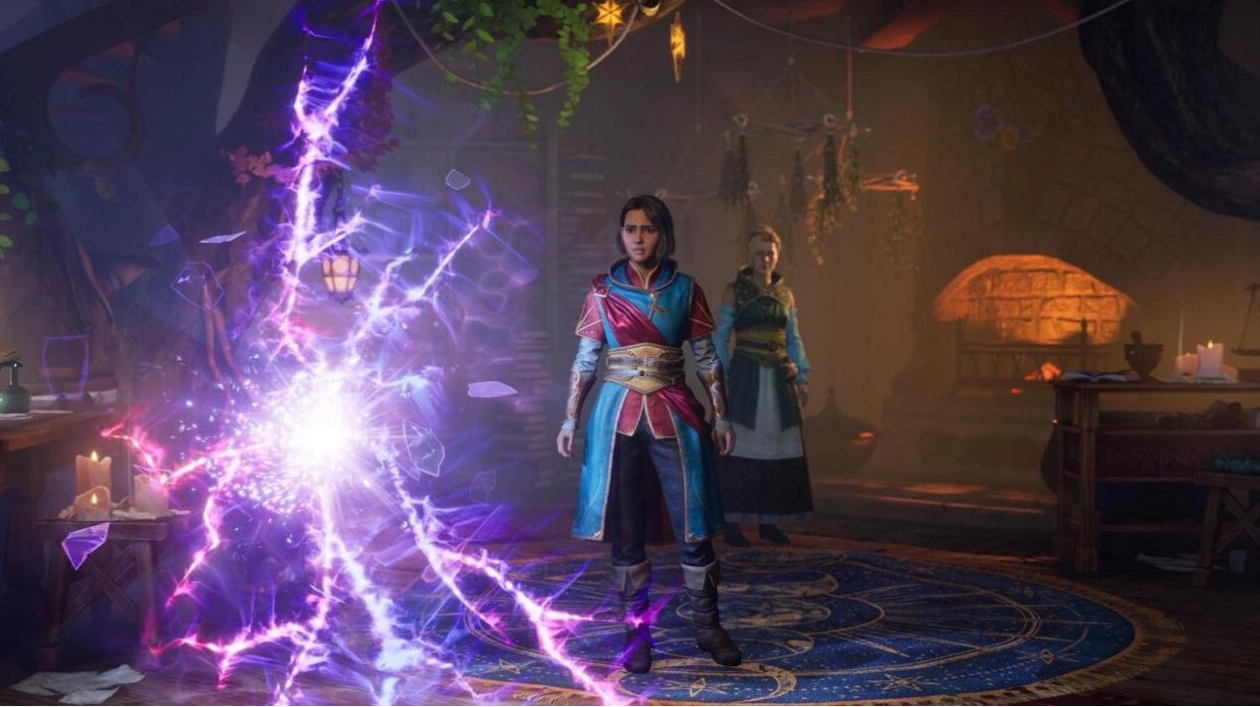
The story of Split Fiction starts with a simple, almost clichéd premise but quickly blossoms into something far more profound. You follow two unpublished writers, Mio and Zoe, who are accidentally thrust into a shared virtual world where their distinct creative visions—sci-fi and fantasy—collide. This setup serves as the perfect canvas for a story filled with unexpected twists.
What begins as a mission to escape a tech CEO’s scheme to steal their ideas evolves into a deep exploration of their pasts, fears, and dreams. As they navigate their combined fantasy worlds and battle foes like cyber ninjas, they begin to write their own stories of connection and sisterhood. The narrative invites you to discover its layers, one surprising level at a time.
Unique Storytelling Techniques and Pacing
What makes the narrative pacing in Split Fiction so unique compared to other games? The answer lies in its relentless momentum and constant innovation. The game takes you on a wild ride by introducing new gimmicks and gameplay mechanics at a much faster pace than even Hazelight’s previous titles. Just when you think you’ve mastered a particular tool or ability, the game presents a new one, ensuring the experience never feels stale.
This rapid introduction of creative ideas is woven directly into the story. Each new world, born from the characters’ minds, comes with its own unique toolset. One moment you’re using a gravity-shifting sword and a cyber whip in a neon-drenched city, and the next you’re discovering an entirely different way to interact with the environment. This constant evolution keeps you on your toes and makes every chapter feel like a new game.
The pacing mirrors the characters’ journey of discovery, filled with unexpected twists and turns. This design choice makes the narrative feel incredibly dynamic and propels you from one breathtaking spectacle to the next without a moment’s pause. It’s a masterclass in how to integrate story and gameplay so seamlessly that they become one thrilling experience.
Emotional Arcs and Player Connection
How does Split Fiction foster a connection between players and characters? It achieves this by grounding its fantastical journey in very human emotions and relationships. Initially, the protagonists, Mio and Zoe, seem like polar opposites, and their bickering feels familiar. However, the game beautifully develops their bond from one of forced proximity to a deep, genuine sisterhood. You don’t just watch their friendship grow; you feel like you are a part of it.
The emotional arcs are explored as the pair delve into their imaginary worlds, which are intimately tied to their pasts, fears, and personal losses. Zoe’s relentless optimism is revealed to be a shield for a painful past, while Mio’s guarded nature slowly gives way to reveal a kind and spirited person beneath the angst. This journey is executed so beautifully that it’s hard not to become emotionally invested in their individual growth and the power of friendship they discover.
This unexpected tale of friendship makes it clear that survival, both in the game and in life, requires connection. The story emphasizes the importance of caring for others and allowing yourself to be cared for, creating a powerful message that resonates long after the credits roll. By the end, you’ll have shed tears of both laughter and raw emotion.
Engaging Co-Op Gameplay and Mechanics
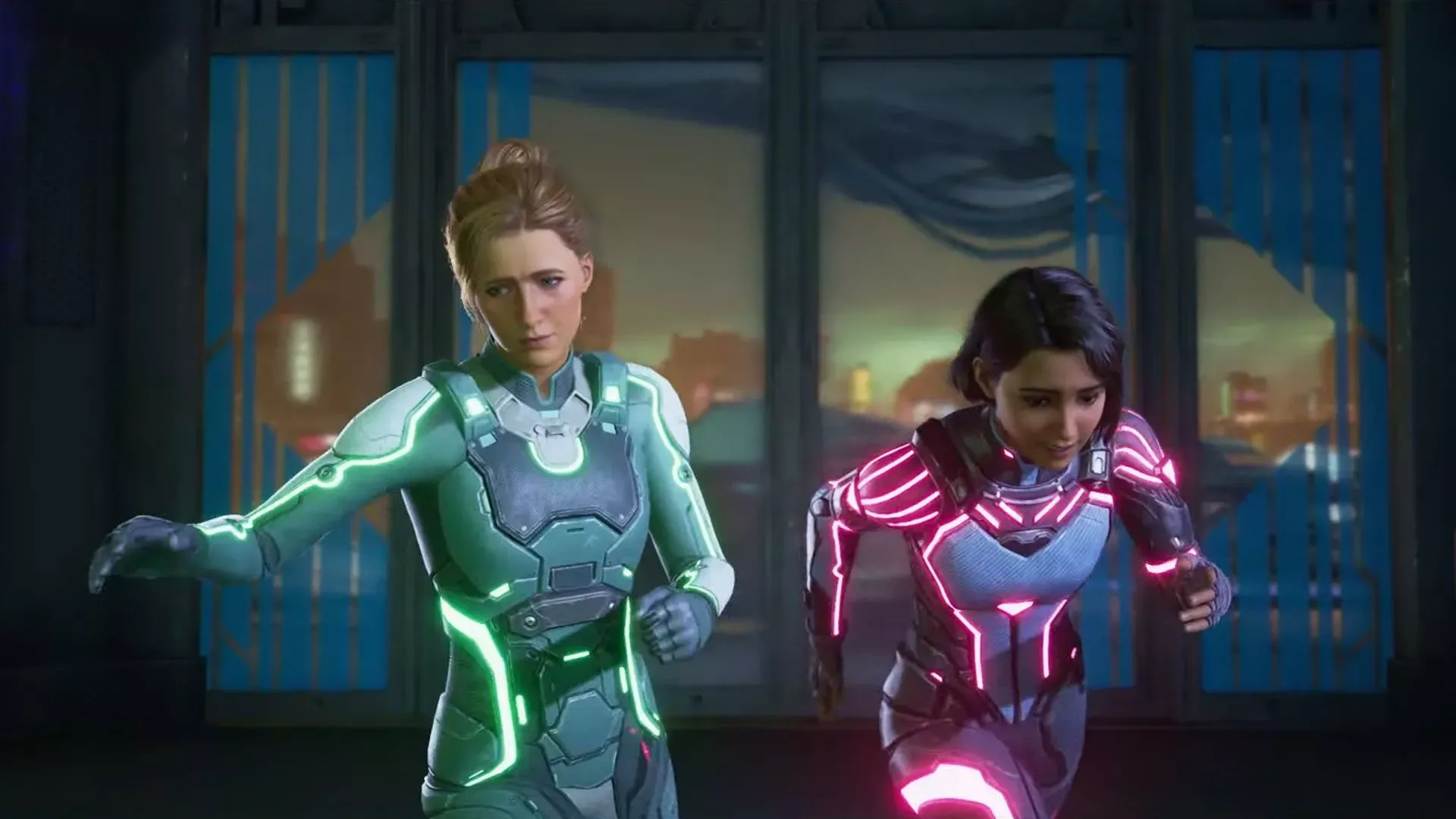
Split Fiction is built from the ground up as a co-op gameplay experience, and it is here that the game truly shines. You and a partner must work in perfect sync to overcome the challenges thrown your way. This isn’t just a single-player game with an added multiplayer mode; it’s an adventure that can only be completed with a friend, either through local play or online play.
Thanks to the Friend’s Pass, only one person needs to own the full game, allowing you to invite a friend to join the entire adventure for free using gameshare functionality. As you progress, the level of your adventure constantly introduces unexpected new abilities, demanding ever-greater teamwork and communication to succeed. The result is one of the most satisfying and engaging cooperative experiences available.
How Cooperative Play Enhances the Story
Does Split Fiction require two players to experience the full story? Absolutely. The game is designed exclusively for co-op, and this isn’t just a mechanical choice—it’s a narrative one. The entire story is about connection, trust, and the power of friendship, and the gameplay mechanics are built to reinforce these themes. You and your partner aren’t just playing alongside each other; you are dependent on one another to progress.
This required teamwork elevates the story beyond simple cutscenes and dialogue. When Mio and Zoe learn to trust each other on screen, you and your partner are learning to communicate and coordinate in real-time to solve a puzzle or defeat a boss. The satisfaction of overcoming a difficult challenge together mirrors the characters’ own growing bond. The game’s focus on teamwork makes their journey feel earned and personal.
With features like the Friend’s Pass and seamless online play, Hazelight Studios has made it incredibly accessible to share this experience. The synergy between the cooperative gameplay and the narrative of two people learning to rely on each other is what makes Split Fiction a truly special and memorable adventure.
Interactive Puzzles and Creative Level Design
What are some examples of puzzles and level design in Split Fiction? The game is a showcase of brilliant creative level design and mind-bending interactive puzzles. Hazelight Studios demonstrates an incredible devotion to creativity, with each level introducing fresh new mechanics that could easily form the basis of their own standalone games. The variety is truly staggering and keeps the gameplay exciting from start to finish.
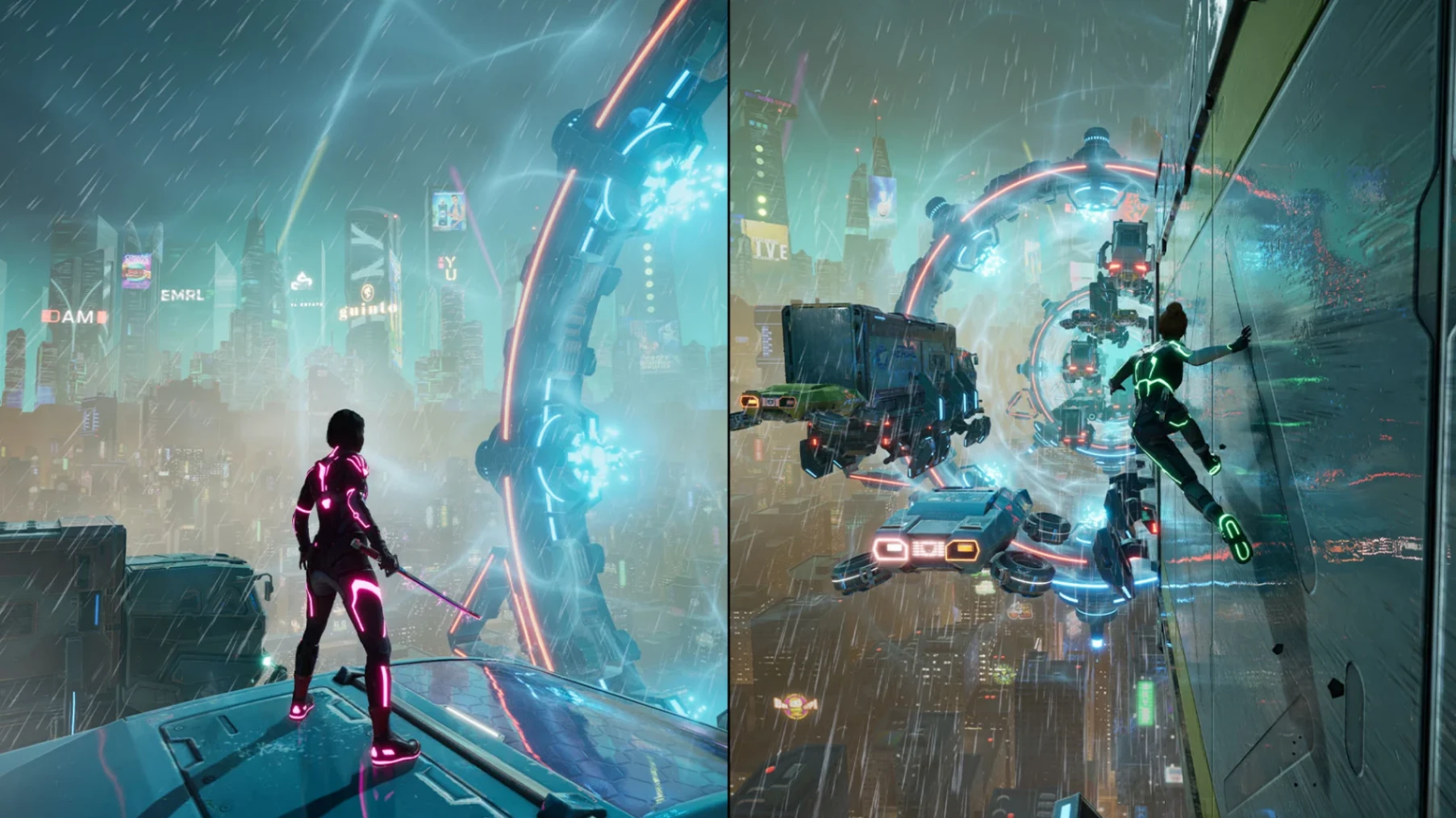
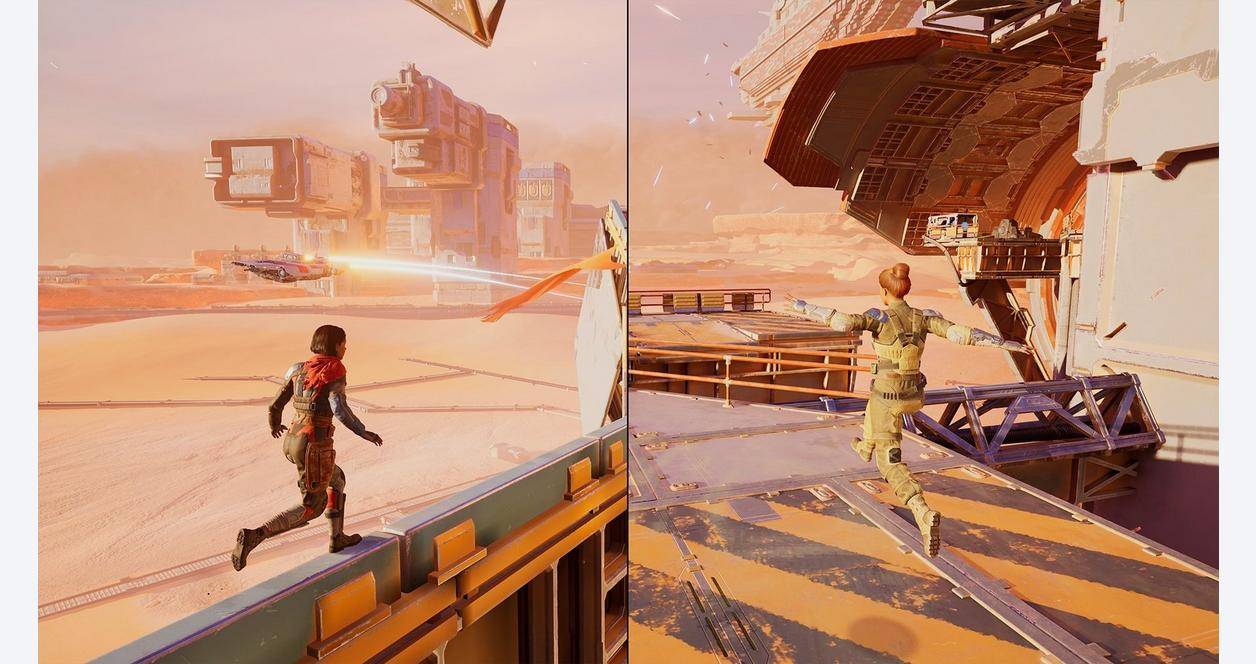
For instance, in one sci-fi world, you and your partner are equipped with a gravity-shifting sword and a powerful cyber whip. You must use these tools in tandem to traverse environments, wall-run, and whip enemies into each other. In another section, you’re given guns that shoot through different types of shields, requiring careful coordination to take down protected enemies, especially during high-speed chase sequences.
These mechanics are constantly evolving. One level might pay tribute to Tony Hawk’s Pro Skater, challenging you to pull off cool hoverboard tricks, while another is a clear nod to 2D Metroid titles. The final chapter, in particular, is described as having some of the most mechanically clever design seen since a Metal Gear Solid title, constantly adding new dimensions just when you think you’ve seen it all.
Visuals, Audio, and Setting Excellence
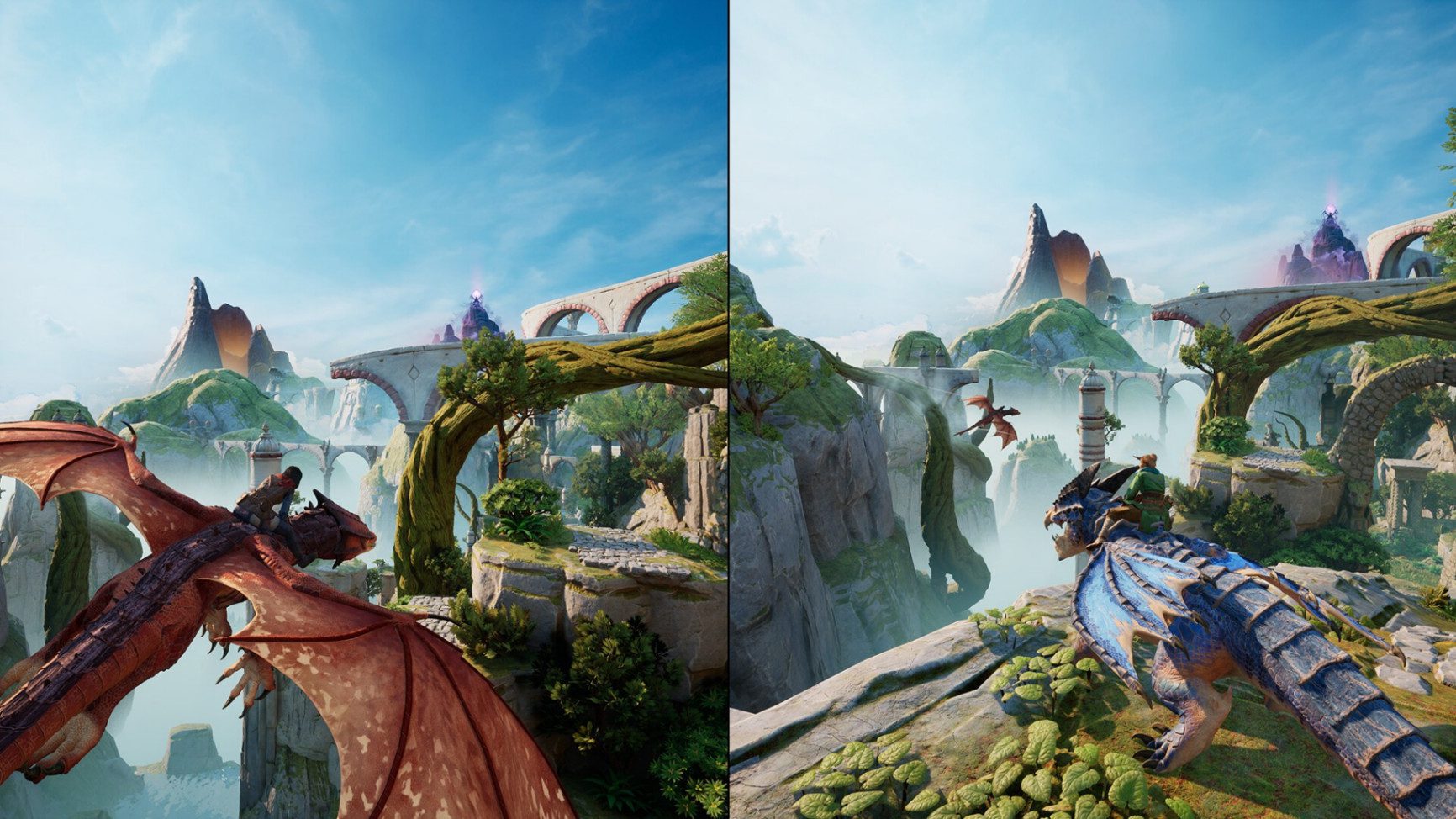
Beyond its brilliant gameplay and heartfelt story, Split Fiction is an absolute feast for the senses. The artistic direction is phenomenal, bringing the wildly different worlds of Split Fiction to life with breathtaking detail and vibrant color. Each environment, whether a fantastical castle or a futuristic cityscape, is vast, gorgeous, and packed with personality.
This visual and auditory excellence is present across all platforms, including the Nintendo Switch, running with a buttery-smooth performance that makes it one of the most polished games in recent memory. It’s clear that every aspect of the presentation was crafted with care, making this arguably the best game Hazelight has ever produced from a technical standpoint.
Artistic Direction and World-Building
How does the visual style contribute to the story in Split Fiction? The game’s artistic direction is not just for show; it’s a fundamental part of the storytelling. Since the worlds are born from the imaginations of Mio (a sci-fi fan) and Zoe (a fantasy lover), the visual style of each level directly reflects their personalities, fears, and dreams. This makes the world-building feel deeply personal and integral to the character development.
You’ll traverse over 20 unique universes, each more surprising than the last. The sheer variety is staggering. One moment you’re in a dark, gritty, Blade Runner-esque world filled with neon lights, and the next you’re exploring The Moon Market, a whimsical place with towering castle spires, spectral cats, and moles dressed as wizards. One particularly creative level has you entering a notebook as a young Zoe scribbles an adventure into existence.
These fantasy worlds and sci-fi landscapes are not just backdrops; they are manifestations of the characters’ inner lives. This approach allows the game to tell its story visually, showing you who Mio and Zoe are through the worlds they create. The result is an immersive experience where the environment itself becomes a key character.
Soundtrack and Voice Acting Impact
How do sound and voice performances enhance the experience in Split Fiction? The audio design is every bit as impressive as the visuals, playing a crucial role in elevating the game’s emotional impact. The soundtrack seamlessly shifts to match the tone of each world, from thrilling, high-energy tracks during chase sequences to tender, emotional melodies during heartfelt character moments. The music guides your feelings just as effectively as the gameplay guides your actions.
The voice acting for Mio and Zoe is exceptional, bringing a level of depth and charm to the characters that makes them feel real. You can feel the initial friction, the growing respect, and the eventual deep affection in their performances. According to a review from GameSpot, the protagonists are “full of depth, charm, and personality,” and much of that is owed to the talented actors who voice them.
Published by EA and available on platforms like Nintendo, the game’s sound design is a polished, high-quality production. From the satisfying thwack of a cyber whip to the subtle environmental sounds that make each world feel alive, every audio element works in concert to create a completely immersive and unforgettable experience.
Character Development and Relationships
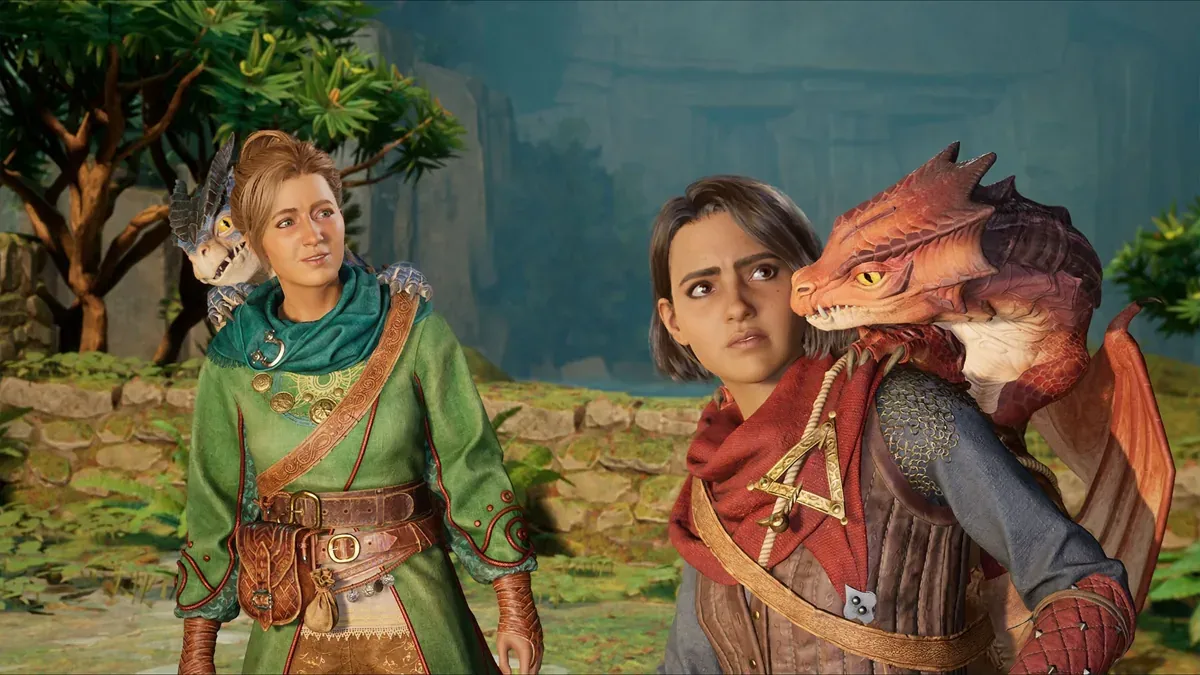
At the heart of Split Fiction are its two protagonists, Mio Hudson and Zoe, who are the true stars of the show. Their evolving relationship is the emotional core that elevates the entire experience. When you first meet them, they seem like familiar archetypes—the angsty cynic and the bubbly optimist—but they quickly reveal surprising depth.
Their journey is filled with witty dialogue and genuine humor, making their interactions a constant delight. Even when thrown into bizarre situations, their chemistry feels authentic. To experience their full story, an online play session with a persistent internet connection is needed, as their bond is something you build right alongside them.
Main Characters’ Journeys
Who are the main characters of Split Fiction and what are their backgrounds? The story centers on two unpublished writers: Mio Hudson and Zoe Foster. They are complete opposites. Mio is a city-slicking sci-fi enthusiast who is cynical and slow to trust. In contrast, Zoe is a sunshine-incarnate fantasy lover who is overly trusting and optimistic. The one thing they share is a desperate need for a byline and some money.
Their adventure begins when they are accidentally thrust into the same virtual reality simulation at Rader Publishing. This forces their two creative minds—and their clashing personalities—to merge. Their journey is not just about escaping the machine but also about exploring their own creations, which are deeply tied to their pasts and emotional baggage.
Through this shared experience, they embark on a path of self-discovery. Mio’s guarded exterior begins to crack, revealing a kind and devoted person, while Zoe’s boundless optimism is shown to be a coping mechanism for past pain. Their individual journeys are beautifully executed, leading to a powerful and moving sisterhood that feels completely earned.
Dialogue, Humor, and Chemistry
What role does humor play in the interactions within Split Fiction? Humor is a vital ingredient in the game’s charm, making the relationship between Mio and Zoe feel incredibly authentic and entertaining. The sharp, witty dialogue is a constant source of laughter, especially in the early stages when their clashing personalities lead to plenty of classic bickering. This lightheartedness provides a perfect balance to the more emotional and action-packed moments.
The humor isn’t always light, either. The game is not afraid to explore absurdly dark-humored scenarios, proving that Hazelight is eager to do bizarre things with its title. These moments, often found in the optional side stories, add another layer to the game’s personality and prevent the tone from ever becoming too cheesy, even when dealing with heartfelt themes.
Ultimately, the humor is a key part of the incredible chemistry that develops between the two leads. As they navigate increasingly bizarre situations, their banter evolves from antagonistic to affectionate. It’s this believable, funny, and often touching interaction that transforms them from simple character archetypes into people you genuinely grow to love.
Comparing Split Fiction to Other Narrative Games
When placing Split Fiction alongside its peers, it’s clear that Hazelight has created something special. As a follow-up to their Game of the Year winner It Takes Two, this game builds upon that successful formula and improves it in nearly every way. It solidifies the studio’s reputation as one of the most innovative and creative forces in the industry today.
Published by Rader Publishing in the game’s narrative and available on PC and consoles like the Xbox Series X, Split Fiction feels like both a love letter to gaming history and a bold step into its future. It takes familiar concepts and executes them with a level of polish and creativity that sets a new industry standard.
Inspirations and Innovations
Which games inspired Split Fiction and what innovations does it bring to the genre? Split Fiction wears its inspirations on its sleeve, acting as a heartfelt love letter to the history of video games. At the same time, it is packed with innovations. Reviewers have noted clear tributes to classics like Tony Hawk’s Pro Skater in a level with hoverboards, and nods to 2D Metroid titles and Ikaruga. There are even subtle references to From Software games and a cheeky Assassin’s Creed leap of faith joke.
However, the game never relies solely on nostalgia. Its biggest innovation is how it seamlessly integrates a seemingly endless stream of new mechanics. The studio, Hazelight, has clearly learned from its past successes, introducing gameplay gimmicks at a far more rapid pace than in its previous titles. These mechanics are so well-designed that many could stand as the core of their own game.
Unlike some titles that can feel like a simple IP flex, Split Fiction uses its references to build something new and wholly original. It’s a masterclass in how to pay homage to the past while pushing the medium forward, and it’s easily accessible on platforms like Xbox Game Pass via EA Play.
What Sets Split Fiction Apart in the Genre
How does Split Fiction distinguish itself from other co-op narrative games? What truly sets this title apart is its relentless creativity and the sheer range of gameplay it offers. While many games find a core mechanic and stick with it, Split Fiction is defined by its constant evolution. It continuously introduces unexpected new abilities and challenges, ensuring that the experience remains fresh and surprising for its entire 14-hour runtime.
This commitment to variety, combined with an incredible level of polish, makes it feel like several amazing games rolled into one. The seamless transition between genres—from 3D platforming to high-speed chases to intricate puzzle-solving—is executed flawlessly. The game demands true cooperation, making the gameplay a direct reflection of its narrative themes of teamwork and connection.
Ultimately, Split Fiction is considered by many to be the best game in its class because it perfects the co-op formula. It blends a heartfelt, character-driven story with some of the most inventive and engaging gameplay seen this console generation. It’s more than just a great co-op game; it’s a benchmark for the entire genre.
Conclusion
In conclusion, “Split Fiction” masterfully weaves storytelling with gameplay, offering an experience that resonates emotionally with players. Its unique narrative techniques and character development create a vivid world that players can deeply connect with. The cooperative mechanics enhance not just the gameplay but also the emotional arcs, ensuring that every puzzle is not just a challenge but a step in a shared journey. As you explore the richly designed environments, the artistic direction and sound design elevate your immersion, making it a standout in the narrative game genre. If you’re eager to dive into this exceptional experience, don’t hesitate to try it out. Your next great adventure in storytelling awaits!
Frequently Asked Questions
Is Split Fiction suitable for solo players or is co-op required?
Split Fiction is designed exclusively for two players and cannot be played solo. The co-op gameplay is essential to the story and mechanics. However, with the Friend’s Pass, only one person needs to own the full game, allowing a friend to join for free through its online features.
How long does it take to finish Split Fiction?
The main adventure of Split Fiction takes approximately 14 hours to complete. The level of your adventure can vary depending on how much you explore optional side stories. Be prepared for many unexpected twists as you experience worlds that will test your skills and require a persistent internet connection for online play.
Are there multiple endings based on player choices?
Split Fiction focuses on telling a specific, linear story about its two protagonists. While you will create your own stories through gameplay at each new level and gain unexpected new abilities, the game does not feature multiple endings based on player choice. The narrative follows a set path with creative ideas sprinkled throughout.
Leave a Reply